Top scientist booted from research institute – Concerns about chemical industry influence in ouster
Top scientist booted from research institute
Concerns about chemical industry influence in ouster
|
|

 |
||
Daniele Mandrioli should have seen it coming. Maybe he did.
As the chief scientist overseeing a sweeping multi-pronged study of the safety of glyphosate, a widely used weed killing agent used in Roundup, Mandrioli was daring to touch the third rail, metaphorically speaking.
Studying the health effects of glyphosate – a pesticide brought to farms, parks, playgrounds and backyards by Monsanto Co. more than 50 years ago – has long been a dangerous move for many scientists.
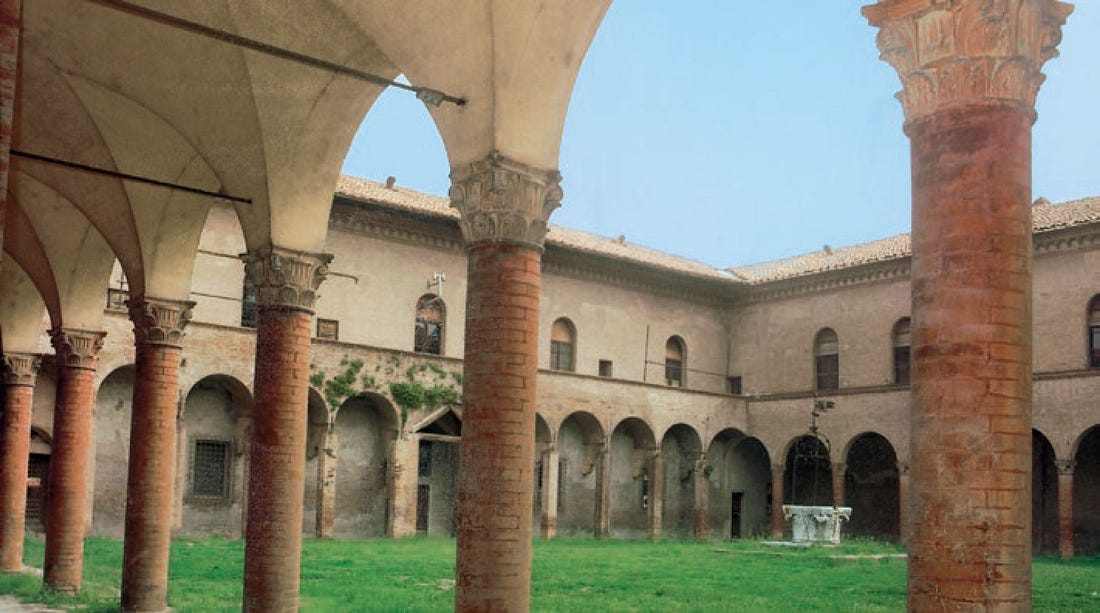
Mandrioli learned that lesson recently when he lost his job leading the renowned Ramazzini Institute Cesare Maltoni Cancer Research Center, which operates out of a historic Italian castle near Bologna in producing research on the health effects of more than 200 compounds.
The research center was in the midst of conducting a “Global Glyphosate Study” aimed at exploring the effects of exposures to glyphosate herbicides at “current real-world levels on several toxicological endpoints. This study was done without chemical industry funding, sponsored instead by “worldwide crowdfunding.”
 |
Daniele Mandrioli, recently removed as director of the Ramazzini Institute Cesare Maltoni Cancer Research Center.
Mandrioli has prominently touted the results of the glyphosate studies done to date, which didn’t look good for Monsanto’s German owner Bayer AG. Bayer is locked into litigation brought by tens of thousands of people claiming exposure to Monsanto’s glyphosate herbicides caused them to develop cancer. The findings of the global glyphosate study were adding evidence not only of carcinogenicity associated with the herbicides, but other health problems as well.
Mandrioli holds both a medical degree and a PhD and has a long international resume that includes a position as visiting scholar at the Charite Medical School, Berlin; postdoctoral researcher in molecular and cell biology at the University of California, Berkeley; postdoctoral researcher of Environmental Health Sciences at the Johns Hopkins University Bloomberg School of Public Health; and serving as a technical advisor for the US National Toxicology Program.
But his credentials were not enough to keep his job intact after Bayer and industry allies attacked the glyphosate work and the institute overall.
Other scientists associated with Ramazzini are outraged at the dismissal of Mandrioli, and are questioning assertions by Ramazzini Institute President Loretta Masotti that the termination was not due to pressure from the chemical industry.
“Dr. Mandrioli … has been subjected to vicious attacks by the chemical industry because the findings of the Institute’s independent research have cost these companies money and hurt their bottom line,” Dr. Philip Landrigan, head of the International Scientific Advisory Committee of the Ramazzini Institute, wrote in a Jan. 21 letter to Masotti.
Members of Collegium Ramazzini, a scientific academy of physicians and scientists from 45 countries, said in a statement that the process of terminating Mandrioli was “non-transparent” and “secretive” and appeared linked to industry attacks on Mandrioli related to the glyphosate study.
Many other scientists, including members of the International Agency for Research on Cancer (IARC), an arm of the World Health Organization, have felt the wrath of industry when publishing findings of glyphosate health risks.
I wrote about the fierce backlash Monsanto engineered against the IARC scientists in my 2017 book Whitewash.
IARC noted the attacks, which one IARC scientist described to me as “evil forces”, on its website, writing in part: “Following the classification of glyphosate in March 2015 as probably carcinogenic to humans … IARC has been the target of an unprecedented number of orchestrated actions by stakeholders seeking to undermine its credibility.”
It’s not surprising then, what is happening with Mandrioli.
You can read more, including comments from Mandrioli and other scientists, in my story at The New Lede.