Monsanto Funded the Science. The Government Called It Safe.
͏ Monsanto Funded the Science. The Government Called It Safe.
A key glyphosate safety paper has been retracted, raising questions about how ‘safe’ gets decided.
| Angela Huffman Dec 9 |
For years, farmers were told to trust the safety process. Use the product as directed. Follow the label. Regulators have reviewed the science.
Most people assume that means the government did the testing. The truth is: the company did. And now we have a rare, public glimpse of what that can look like.
A scientific journal retracted a widely cited paper that has been used for decades to argue that glyphosate, the main ingredient in Roundup, poses no cancer risk. The retraction points to serious ethical concerns. It says the paper leaned on unpublished Monsanto studies, and that Monsanto employees helped write it without disclosure.
When there’s billions on the line, companies don’t just sell a chemical. They sell the safety story around it, too, and they push that story through journals, regulators, and the public until it becomes part of daily routines on farms and, ultimately, what we all eat.
Why This Matters In Farm Country
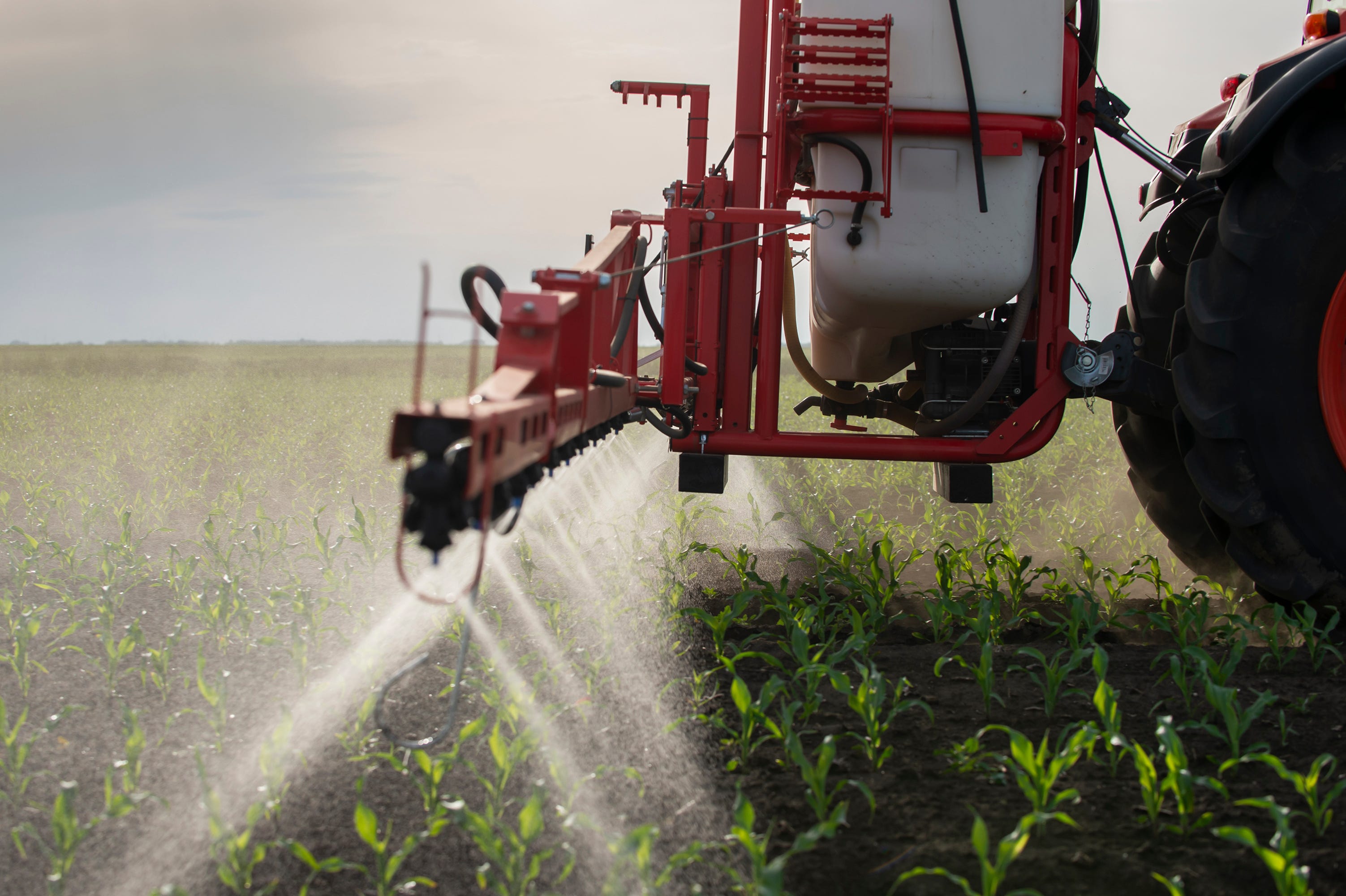
In rural America, exposure is part of life. It’s in the air on spray days. It’s on our clothes and equipment. Farmworkers and farm families live closer to it and spend more time around it than anyone else.
So when the system says a product is safe, people build their routines around that. They assume the basics were done right.
Glyphosate isn’t some niche product. It’s one of the most widely used herbicides in the world, used on millions of acres of farmland and woven into the food system. When something is used at that scale, the safety bar has to be airtight. A retraction like this is a sign it wasn’t.
The Story We’ve Been Told: “Regulators Reviewed The Science.”
Most people picture a simple process. A company invents a chemical. The government tests it. If it’s dangerous, it gets stopped. If it’s approved, it must be safe.
What usually happens is different. The company funds most of the testing and submits a package to regulators. The agency reviews what it’s given, and a lot of the studies never get published where the public can easily see or question them. EPA’s pesticide program is also funded in part by industry fees, which means the agency depends on the companies it regulates.
That’s why certain peer-reviewed papers end up carrying so much weight. They become the go-to proof in courtrooms, headlines, and talking points.
What This Retraction Shows
In this case, the journal says the paper leaned on unpublished company studies and raises concerns about undisclosed company involvement in the writing. That should make anyone pause, because peer review is supposed to mean independence.
When a company controls key parts of the evidence and also helps shape the paper used as public proof, that paper becomes marketing dressed up as science.
What We Should Demand Now
This retraction shouldn’t just be a headline. It should be a turning point. Here are a few common-sense lines we should draw:
- If a study is used to reassure the public, its underlying evidence should be available to the public. No more “trust us, it’s in the file.”
- Industry involvement must be disclosed clearly, including funding, authorship, and behind-the-scenes editing. Scientific credibility depends on transparency.
- Regulators should not rely on unpublished, company-controlled studies as a stand-in for independent research, especially for chemicals used at enormous scale.
- The burden of proof should match the scale of exposure. Millions of acres and millions of people touched by the system means the standard has to be higher.
This retraction is a reminder that pesticide companies have spent years managing the science and the regulators. That power shapes government decisions, and the costs land on farmers, farmworkers, rural communities, and the rest of us, often without realizing it.
Angela Huffman is free today. But if you enjoyed this post, you can tell Angela Huffman that their writing is valuable by pledging a future subscription. You won’t be charged unless they enable payments.
© 2025 Angela Huffman
548 Market Street PMB 72296, San Francisco, CA 94104
Unsubscribe ͏ ͏ ͏ ͏ ͏ ͏ ͏ ͏ ͏ ͏ ͏ ͏ ͏ ͏ ͏ ͏ ͏ ͏ ͏ ͏ ͏ ͏ ͏ ͏ ͏ ͏ ͏ ͏ ͏ ͏ ͏ ͏ ͏ ͏ ͏ ͏ ͏ ͏ ͏ ͏ ͏ ͏ ͏ ͏ ͏ ͏ ͏ ͏ ͏ ͏ ͏ ͏ ͏ ͏ ͏ ͏ ͏ ͏ ͏ ͏ ͏ ͏ ͏ ͏ ͏ ͏ ͏ ͏ ͏ ͏ ͏ ͏ ͏ ͏ ͏ ͏ ͏ ͏ ͏ ͏ ͏ ͏ ͏ ͏ ͏ ͏