They’re Celebrating “Product of USA.” Here’s What They’re Leaving Out.
͏ ͏ ͏ ͏ ͏ ͏ ͏ ͏ ͏ ͏ ͏ ͏ ͏ ͏ ͏ ͏ ͏ ͏ ͏ ͏ ͏ ͏ ͏ ͏ ͏ ͏ ͏ ͏ ͏ ͏ ͏ ͏ ͏ ͏ ͏ ͏ ͏ ͏ ͏ ͏ ͏ ͏ ͏ ͏ ͏ ͏ ͏ ͏ ͏ ͏ ͏ ͏ ͏ ͏ ͏ ͏ ͏ ͏ ͏ ͏ ͏ ͏ ͏ ͏ ͏ ͏ ͏ ͏ ͏ ͏ ͏ ͏ ͏ ͏ ͏ ͏ ͏ ͏ ͏ ͏ ͏ ͏ ͏ ͏ ͏ ͏ ͏ ͏ ͏ ͏ ͏ ͏ ͏ ͏ ͏ ͏ ͏ ͏ ͏ ͏ ͏ ͏ ͏ ͏ ͏ ͏ ͏ ͏ ͏ ͏ ͏ ͏ ͏ ͏ ͏ ͏ ͏ ͏ ͏ ͏ ͏ ͏ ͏ ͏ ͏ ͏ ͏ ͏ ͏ ͏ ͏ ͏ ͏ ͏ ͏ ͏ ͏ ͏ ͏ ͏ ͏ ͏ ͏ ͏ ͏ ͏ ͏ ͏ ͏ ͏ ͏ ͏ ͏ ͏ ͏ ͏ ͏ ͏ ͏ ͏ ͏ ͏ ͏ ͏ ͏ ͏ ͏ ͏ ͏ ͏ ͏ ͏ ͏ ͏ ͏ ͏ ͏ ͏ ͏ ͏ ͏ ͏ ͏ ͏ ͏ ͏ ͏ ͏ ͏ ͏ ͏ ͏ ͏ ͏ ͏ ͏ ͏ ͏ ͏
|
They’re Celebrating “Product of USA.” Here’s What They’re Leaving Out. It took six years to fix a misleading meat label. But most meat still doesn’t say where it comes from.
Yesterday, USDA and the White House were all over social media talking about the “Product of USA” meat label. If you just saw that, you’d think this was something the Trump administration just came up with. It’s not. As of January 1, 2026, corporations can no longer lie to us with fraudulent “Product of USA” labels. For years, imported meat could be brought into the country and sold under a label that made people think they were buying American food when they weren’t. We spent six years fighting to fix this. Ranchers were getting undercut, shoppers were being misled, and global meatpackers were cashing in. Now, if a company uses a “Product of USA” label, the animal has to be born, raised, slaughtered, and processed in the United States. How This Actually Happened This fight started back in 2018, during the first Trump administration. Leaders from the American Grassfed Association brought the issue forward. Joe Maxwell and I were working on it with them, and we went to USDA and asked them to fix the label. They wouldn’t do it. So we filed a formal petition. Ranchers showed up, spoke out, and made it clear this was not going away. Still, in 2020, USDA denied our petition. Then we took it to the next administration. Under Biden, USDA picked it up. In 2023, the agency proposed the rule ranchers had been asking for, and in 2024, it finalized it. The rule went into effect on January 1, 2026. Now, under the current Trump administration, USDA is enforcing it.
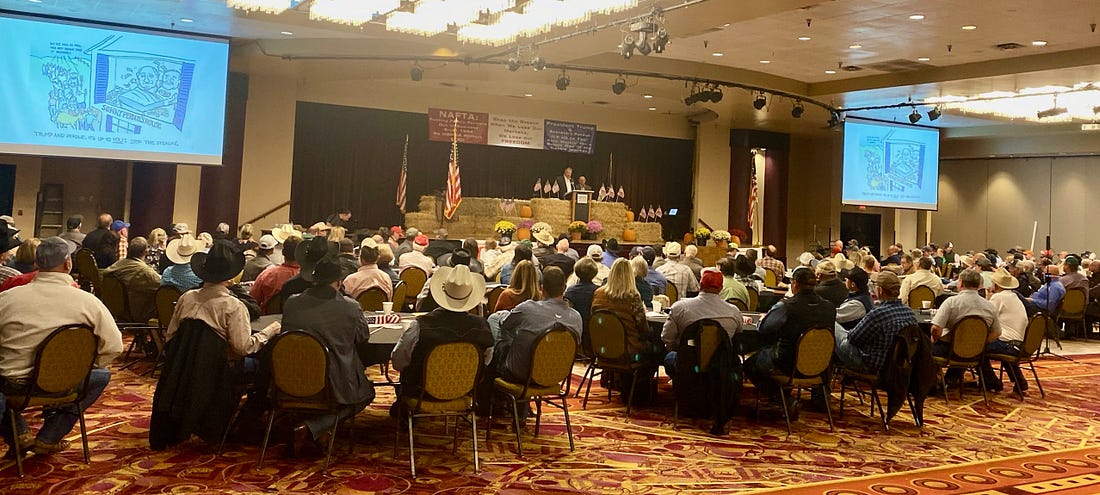
Ranchers packed the room in Omaha in 2019 to call for fair labeling. Why This Mattered So Much The fraudulent labeling hurt ranchers across the board, but it was especially hard on grassfed producers and others marketing their own beef. They were doing the work to build trust with customers and explain why their product was different, while imported meat could still carry a “Product of USA” label. That made it harder for ranchers selling the real thing to stand out and get paid for it. This rule still does not force companies to tell you where your meat comes from. But it does stop them from slapping “Product of USA” on imported meat and calling it American. The Part That Still Has to Be Fixed The problem is the label is still voluntary. Corporations do not have to use it, and if they don’t, shoppers still have no clear way to know where that meat came from. That’s why this is not the end of the fight. What we still need is Mandatory Country of Origin Labeling. It requires meat labels to disclose where the animal was born, raised, and slaughtered. We have country of origin labeling on all kinds of products, from T-shirts to dog bones. We should have it on meat. Farm Action and allies have been pushing this for years, and it is one of our top priorities for inclusion in the 2026 Farm Bill. Congress should pass the American Beef Labeling Act to restore MCOOL for beef, and the White House should renegotiate the United States-Mexico-Canada Agreement so MCOOL can apply to all beef, pork, and meat products traded between the three countries. And according to Meriwether Farms, ranchers were also working with people inside the current administration on an executive order to move MCOOL forward, but USDA leadership stopped it over “affordability” concerns. If so, then while USDA is celebrating this voluntary label, it also helped stop a mandatory one. Where This Leaves Us “Product of USA” label reform is a real win. Ranchers fought for years to get this done, and we beat the packers on it. A label that was being used to mislead people now has a real standard behind it. It matters for ranchers trying to compete and for consumers who want to know what they’re buying. But we are still stuck with a system where meat can be sold with no origin information at all. “Product of USA” finally means what it says. And, every package should say where the meat comes from. Until that happens, there is still work to do. Angela Huffman is free today. But if you enjoyed this post, you can tell Angela Huffman that their writing is valuable by pledging a future subscription. You won’t be charged unless they enable payments.
© 2026 Angela Huffman |
||||||||||||||||||||||||||||||||||||