Tysons Plant Closure Shows the Cost of Consolidation for Rural America
Tyson’s Plant Closure Shows the Cost of Consolidation for Rural America
Corporate decisions made far from rural America can reshape the lives of the people who feed our nation.
Dec 01, 2025

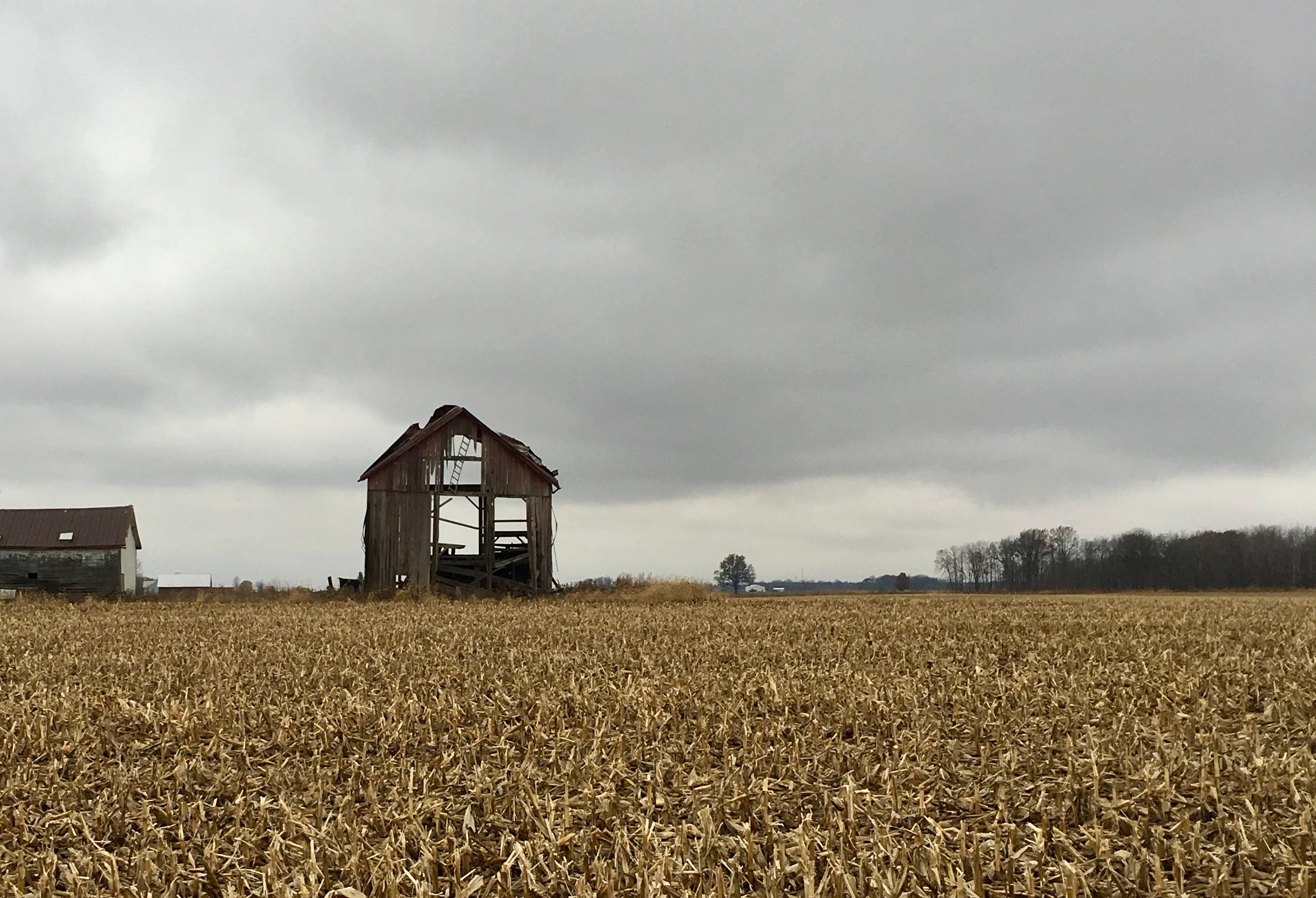
I grew up in rural Ohio where the closing of a plant, a school, or even a diner could shift the rhythm of a community overnight. In a small town, everything’s connected. So when I read the news about Tyson closing its beef plant in Lexington, Nebraska, it hit me the way these stories always do. You feel it in your stomach before you even get to the numbers.
I’m starting this Substack to speak more directly and personally about what’s happening in our food system. I’ve spent years working on these issues, and this will be a place to dig into food, health, rural life, and the corporate and political forces shaping them. If you’d like to stay connected, you can subscribe for new posts.
A Warning for Rural America
Tyson Foods’ decision to close its beef plant in Lexington is a major hit to a town of about 10,000 people. The plant employs 3,200 workers, and its loss will reshape the community. But the impact doesn’t stop there. When a handful of corporations dominate a market, their decisions send shockwaves through entire regions and affect the stability of our food supply nationwide.
Workers Feel the Impact First
The UFCW is right to call the closure “a devastating blow” to workers. When a single employer dominates a small town, thousands of families lose income at once. Next, businesses that depend directly on the plant feel the impact. Nebraska Public Media reports that a sanitation contractor at the plant has announced it will lay off all 139 of its workers because of the closure.
From there, the strain spreads quickly. Local businesses see spending drop, and churches and community groups often step in with whatever support they can manage. A plant this size can define the local economy, and its sudden loss creates fear and instability for everyone.
But the story does not end there.
Ranchers Lose Their Market Next
The Lexington plant could process about 5,000 head of cattle a day. With so few large plants left, there aren’t many other places for that volume to go. Removing that demand weakens cattle markets across the country. The Associated Press reports that this closure, along with cuts at a Tyson plant in Texas, could shrink national processing capacity by 7 to 9 percent.
Ranchers were already dealing with high costs, drought, and years of uneven prices. Now they face even less competition for their cattle. When there are fewer packers active in the market, ranchers have less bargaining power, and cattle prices fall even as beef prices in grocery stores stay near record highs.
Some, including independent Nebraska Senate candidate Dan Osborn, argue that Tyson chose to close the plant instead of selling it in order to manipulate the market, which they say may violate federal antitrust law.
This is what happens when just four corporations control almost all U.S. beef processing. Tyson and the other big packers can slow down or speed up processing with little cost to themselves. Ranchers, workers, and rural communities are the ones who pay the price.
Imports from Argentina Add More Pressure
Domestic processing capacity is shrinking, and the United States already imports more beef than it exports. Shipments from Argentina are now increasing as well. Farm Action raised concerns about this recently when President Trump suggested relying on Argentinian beef to bring prices down.
More imported beef in an already consolidated market makes it harder for U.S. ranchers to stay afloat. Rebuilding the American cattle herd takes time and money, and ranchers are less likely to invest when imported beef fills shelves instead of cattle raised here at home.
And because we still do not have mandatory country of origin labeling, consumers cannot tell where their beef comes from. Multinational corporations benefit from that lack of transparency. U.S. ranchers and rural communities do not.
When a Town Depends on One Company
Lexington’s story shows what happens when a rural town depends on one large, distant corporation. A plant like this anchors the local tax base, the housing market, and the strength of schools and hospitals. When the corporation leaves, those supports start to erode. Families move, enrollment drops, staffing gets harder, and long-term investments stall.
This is the deeper risk of consolidation. Rural towns need diverse and stable economies, but decades of corporate concentration have left many communities with only one major employer. When that employer shuts a plant, the effects reach far beyond the immediate job losses and can strain an entire region for years.
There Is a Better Path Forward
What happened in Lexington is not an accident. It reflects policy choices that concentrated power and weakened the position of workers, ranchers, and rural towns. We can make different choices.
Here are a few places to start:
- Rebuild competitive markets by enforcing antitrust laws and reducing the power of dominant meatpackers.
- Support local and regional processing so no community is left dependent on a single plant.
- Restore transparency by reinstating mandatory country of origin labeling for beef.
- Strengthen the U.S. cattle herd so we do not continue sliding toward greater reliance on foreign imports.
Workers, ranchers, and rural communities deserve better than this. They should not be left at the mercy of a few global corporations. A fair and resilient food system is possible, but only if we stand with the people who keep it going.
A Note Before You Go
In the weeks ahead, I’ll share more updates on what’s happening across rural America and in our food system. If you know someone who would find this helpful, feel free to pass it along or subscribe. Thanks for being here.
Thank you, Mike. AM sharing with my rancher family. Keep the posts going!